
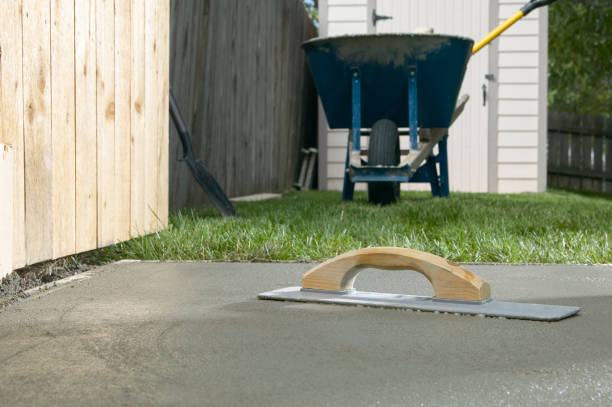
Finding the Best Wood Float: A Comprehensive Review
A smooth and polished finish is the hallmark of any well-executed concrete project, be it a sidewalk, patio, or foundation. To achieve such finesse, one needs the right tool for the job – a wood float specially designed for concrete work. Whether you’re a seasoned contractor or a DIY enthusiast, having the best wood float in your arsenal can make all the difference in the outcome of your concrete projects. In this review, we have scoured Amazon to present you with the top 5 wood float products tailor-made for concrete work. Each product has been meticulously evaluated for its design, durability, user feedback, and overall performance, ensuring you have the necessary information to make an informed decision.
To see our related product guide article, click here.
Top Picks for Best Wood Float
Kraft Tool Laminated Canvas-Resin Wood Float


The Kraft Tool CF505 16″x3-1/2″ SE Laminated Canvas-Resin Hand Float with Wood Handle is a versatile and durable tool designed for achieving a smooth and refined finish on concrete surfaces. Its 16-inch by 3-1/2-inch laminated canvas-resin blade offers excellent resilience and longevity, ensuring consistent results on various concrete projects. The wood handle provides a comfortable grip, allowing users to maneuver the float with ease and precision. This hand float is a reliable choice for both professional contractors and DIY enthusiasts seeking a high-quality tool for concrete finishing tasks.
Pros:
- Durable laminated canvas-resin blade for lasting performance.
- Provides a smooth and polished finish on concrete surfaces.
- Comfortable wood handle for easy maneuvering.
- Trusted brand known for quality construction.
Cons:
- 3-1/2-inch width may require more passes for larger surfaces.
MARSHALLTOWN Concrete Wood Float with DuraSoft Handle


The MARSHALLTOWN Concrete Wood Float with DuraSoft Handle is an excellent option for achieving a professional finish on concrete surfaces. The 16-inch by 3-1/2-inch float features a sturdy laminated canvas resin construction that provides excellent durability and consistent results. Its DuraSoft handle offers a comfortable grip and reduces fatigue during prolonged use. This float is a top contender for those seeking a reliable and efficient tool for concrete finishing projects.
Pros:
- Sturdy laminated canvas resin construction for long-term durability.
- DuraSoft handle offers a comfortable and secure grip.
- Ideal for achieving smooth finishes on concrete surfaces.
- Reasonably priced for its quality and performance.
- Trusted brand with positive feedback from users.
Cons:
- Greater quality means bigger pricetag.
Kraft Tool Elite Series Five Star Wood Float


The Kraft Tool Elite Series Five Star Wood Float is an impressive tool known for its precision and performance. The float features a lightweight magnesium blade that ensures a smooth and even finish on concrete surfaces. This product is resilient and strong, providing stability without adding unnecessary weight. The 16-inch length is perfect for smaller projects and tight spaces, making it a favorite among professionals and hobbyists alike.
Pros:
- Magnesium blade for a flawless concrete finish.
- Excellent durability and stability.
- Lightweight design for easy handling.
- Well-suited for precision work and confined spaces.
- Highly regarded for its effectiveness and reliability.
Cons:
- Limited width may not be ideal for larger surface areas.
Concrete Wood Float 12 X 5 Redwood by Marshalltown


The Concrete Wood Float 12 X 5 Redwood Float by Marshalltown is a versatile tool designed for professional concrete finishing. Its sturdy 3/4-inch thick redwood blade ensures lasting performance, while the 12-inch by 5-inch size strikes a balance between coverage and control. Lightweight and reliable, this hand float is a trusted product from Marshalltown, a reputable brand known for quality construction tools. However, it may require more passes for larger surfaces, and very rough or uneven concrete may present challenges. Nonetheless, with proper maintenance, the redwood material will continue to deliver consistent results, making this Marshalltown hand float an essential addition to your concrete toolkit.
Pros:
- Sturdy 3/4 inch thick redwood blade for lasting performance.
- Provides a professional finish on concrete surfaces.
- Ideal size for both small and medium-sized projects.
- Lightweight design for easy handling and maneuvering.
- Trusted brand known for quality construction.
Cons:
- May not be suitable for heavy-duty or extensive concrete work.
- Redwood material may require periodic maintenance to preserve performance.
Bon 12-630 Resin Wood Float


The Bon 12-630 Resin Float with a Square End and Wood Handle is a versatile and durable tool designed for achieving a smooth and professional finish on concrete surfaces. With a 16-inch by 3 1/2-inch resin blade featuring a square end, this float offers excellent coverage and precision during concrete finishing tasks. The wood handle ensures comfortable use, allowing for precise control and reducing fatigue. Whether you’re working on small DIY projects or larger concrete surfaces, this Bon resin float is a reliable choice for achieving quality results.
Pros:
- Sturdy 16-inch by 3 1/2-inch resin blade for lasting performance.
- Square end design offers increased precision in corners and tight spaces.
- Provides a smooth and polished finish on concrete surfaces.
- Comfortable wood handle for easy maneuvering and control.
- Versatile application for various concrete finishing projects.
Cons:
- Limited width may require more passes for larger surfaces.
- May not be ideal for very rough or uneven concrete surfaces.
Conclusion
Selecting the right wood float for your concrete work is essential for achieving a smooth and professional finish. Each of the wood floats reviewed above offers unique features and benefits, catering to various project requirements. Whether you prioritize durability, comfort, versatility, or precision, there is a wood float that suits your needs. As you make your choice, consider factors such as the type of concrete work you frequently undertake, the size of the projects, and your budget. With any of these top wood floats from Amazon, you can be confident in enhancing the quality and efficiency of your concrete finishing, ensuring impressive results that stand the test of time.
What Should You Look for in a Wood Float?
When selecting a wood float for concrete work, there are several essential factors to consider to ensure you choose the right tool for your specific needs. Here’s what you should look for:
- Blade Material: Opt for a wood float with a sturdy and durable blade material, such as redwood or laminated canvas-resin. These materials offer excellent resistance to wear and tear, providing long-lasting performance.
- Blade Size: Consider the size of the blade, typically measured in length and width. A larger blade will cover more surface area, making it suitable for bigger projects, while a smaller blade offers better precision for intricate or smaller tasks.
- Handle Comfort: Look for a wood float with a comfortable handle grip that allows for extended use without causing fatigue. Ergonomically designed handles with smooth finishes enhance maneuverability and control.
- Versatility: Depending on your needs, choose a wood float that can handle various concrete finishing tasks, such as smoothing, leveling, or detailing. Versatile floats allow you to tackle a wide range of projects with a single tool.
- Weight: Consider the weight of the wood float, as it can impact user comfort during extended use. Lightweight floats are easier to handle and reduce fatigue, while heavier ones may offer more control for certain applications.
- Finish Quality: Look for a wood float that consistently delivers a smooth and professional finish on concrete surfaces. The quality of the finish is crucial for achieving polished results.
- Durability: Ensure that the wood float is built to withstand the demands of concrete work. A durable tool will have a longer lifespan and offer reliable performance over time.
- Price: Consider your budget when selecting a wood float. While high-quality tools may come with a higher price tag, they often offer better performance and durability, making them a worthwhile investment.
- User Reviews: Take the time to read user reviews and feedback on the product you are considering. Real-life experiences from other customers can provide valuable insights into the performance and reliability of the wood float.
- Brand Reputation: Opt for wood floats from reputable brands known for producing high-quality construction tools. Established brands are more likely to offer reliable products backed by excellent customer support.
By carefully considering these factors, you can find the perfect wood float for concrete work, ensuring that your projects are executed with precision and finesse.
Frequently Asked Questions
What is a wood float used for?
A wood float is a hand tool used in concrete work to achieve a smooth and polished finish on freshly poured concrete surfaces. It is an essential tool for concrete finishing, helping to level and smooth the concrete to create a professional-looking surface.
When concrete is poured, it can be uneven and contain air pockets or surface imperfections. A wood float is used to address these issues and improve the overall appearance and texture of the concrete. The wood float is typically used after the initial screeding process, which levels the concrete surface. Once the concrete has stiffened enough to support the weight of a person, the wood float is moved across the surface in a sweeping or circular motion.
As the wood float is moved over the concrete, it helps to fill voids, remove excess water, and bring fine aggregates to the surface. This process, known as floating, creates a smoother, denser surface that enhances the concrete’s durability and finish. The wood float also helps to eliminate trowel marks and other imperfections, resulting in a more aesthetically pleasing and functional concrete surface.
Wood floats are commonly used for smaller concrete projects or in areas where power tools are not practical or necessary. They are lightweight, easy to handle, and provide a level of control that allows workers to achieve the desired finish with precision. For larger concrete surfaces or more extensive projects, power trowels may be used in conjunction with or instead of wood floats to expedite the finishing process.
In summary, a wood float is a valuable tool in concrete work, utilized to create smooth and well-finished surfaces on freshly poured concrete, contributing to the overall quality and appearance of the concrete structure.
What is the difference between a magnesium float and wood float?
The primary difference between a magnesium float and a wood float lies in the material used for their blades. Each type of float offers distinct advantages and is suited for different concrete finishing applications:
Magnesium Float:
- Blade Material: Magnesium floats have blades made of magnesium, a lightweight and durable metal. The magnesium blade is typically smooth and may have perforations to allow excess water to escape during the floating process.
- Application: Magnesium floats are commonly used for finishing concrete surfaces. They are effective in producing a smooth and dense surface by leveling and consolidating the concrete during the floating process.
- Advantages: Magnesium floats are lightweight, making them easy to handle and maneuver, especially for larger concrete surfaces. The smooth blade provides a polished finish, and the perforations aid in water evaporation, preventing surface moisture retention.
- Limitations: The smooth surface of the magnesium float may not be as effective in addressing minor imperfections or voids in the concrete compared to a wood float. Additionally, magnesium floats can be more expensive than wood floats.
Wood Float:
- Blade Material: Wood floats have blades made of wood, typically redwood or laminated canvas-resin. The wood blade has a coarse texture that allows it to help fill voids and work the concrete more effectively.
- Application: Wood floats are well-suited for various concrete finishing tasks. They excel in addressing surface imperfections, leveling the concrete, and providing a textured finish for better adhesion of subsequent coatings or treatments.
- Advantages: Wood floats are versatile and effective in creating a consistent and textured surface finish. The wood blade’s coarse texture helps in working the concrete without over-smoothing, which can be beneficial for certain applications.
- Limitations: While wood floats are durable, they may require periodic maintenance to keep their effectiveness. The wood blade can wear down over time and might need to be sanded or replaced. Additionally, wood floats are heavier compared to magnesium floats, which could result in more significant fatigue during extended use.
In summary, a magnesium float is ideal for achieving a smooth, polished surface on larger concrete areas, while a wood float excels in addressing surface imperfections, providing texture, and working the concrete without over-smoothing. Each type of float has its unique advantages and is best suited for specific concrete finishing tasks. Choosing the right type of float depends on the project requirements, desired finish, and personal preferences of the user.
What float is best for concrete?
The best float for concrete depends on the specific application and personal preferences of the user. Different floats offer unique advantages, and the ideal choice may vary based on the type of concrete work and desired finish. Here are some popular types of floats and their best uses:
- Magnesium Float: Magnesium floats are excellent for achieving a smooth and polished finish on larger concrete surfaces. They are lightweight and easy to handle, making them ideal for extensive projects. The smooth surface of the magnesium float helps consolidate and level the concrete, creating a dense and even finish.
- Wood Float: Wood floats are versatile and effective for various concrete finishing tasks. They are particularly well-suited for addressing surface imperfections, providing texture, and working the concrete without over-smoothing. The coarse texture of the wood float helps achieve better adhesion for subsequent coatings or treatments.
- Resin Float: Resin floats are durable and offer consistent performance. They are available with different blade shapes, such as square ends or rounded ends, providing increased precision in corners and tight spaces. Resin floats work well for achieving smooth finishes on concrete surfaces and are suitable for various projects.
- Bull Float: Bull floats are large, wide floats used for leveling and smoothing large concrete surfaces, such as slabs and pavements. They are typically equipped with long handles, allowing operators to work from a standing position. Bull floats are best for larger-scale projects and can cover substantial areas quickly.
- Hand Float: Hand floats are smaller floats designed for more detailed work and touch-ups on concrete surfaces. They are easy to handle and provide greater control for addressing specific areas that need smoothing or finishing.
Ultimately, the best float for concrete depends on the scope of the project, the desired finish, and the user’s experience and preferences. For general concrete finishing tasks, a combination of magnesium float, wood float, and resin float can be advantageous, providing versatility for various aspects of the job. It’s essential to select high-quality floats from reputable brands to ensure optimal performance and durability in your concrete work.
editor's pick

news via inbox
Stay one step ahead with exclusive tips, guides, and offers delivered directly to your inbox.
Sign up for our newsletter and elevate your home improvement game today!