
Finding the Best Lawn Roller: A Comprehensive Review and Guide
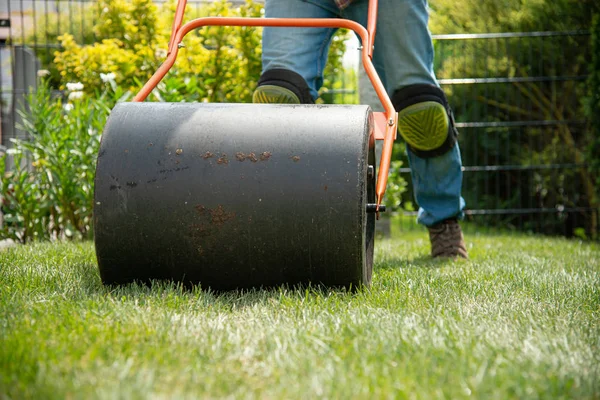
Maintaining a well-manicured lawn requires more than just regular mowing and watering. One essential tool that can enhance the overall appearance and health of your lawn is a lawn roller. Whether you want to level uneven ground, improve seed-to-soil contact, or create a professional-looking striped pattern, a quality lawn roller can make the job easier. In this article, we will explore the best lawn rollers available on Amazon, discussing their applications, how to use them, as well as their pros and cons.
Our Top Picks for Best Lawn Roller
Agri-Fab 45-0606 Poly Tow Behind Lawn Roller


The Agri-Fab 45-0606 is a durable and versatile tow-behind lawn roller that can hold up to 400 pounds of water or sand. Its 18-inch diameter and 36-inch width allow for effective lawn coverage. This roller is best suited for larger lawns or commercial applications. It features a unique scraper bar that prevents debris build-up on the drum, ensuring a smooth rolling experience. However, keep in mind that the size and weight may be challenging for some users to handle.
Pros:
- Durable and versatile design
- Large capacity of up to 400 pounds
- Unique scraper bar prevents debris build-up
- Suitable for larger lawns or commercial applications
Cons:
- It is not best option for commercial applications.
Brinly PRC-241BH 270-Pound Combination Push/Tow Poly Lawn Roller


Ideal for both pushing and towing, the Brinly PRC-241BH is a versatile option suitable for lawns of various sizes. With a capacity of 270 pounds, it is lightweight yet sturdy. The polyethylene drum resists dents and rust, ensuring durability. This roller features a rounded edge that helps prevent turf damage during turns. While the smaller capacity may require more frequent refills, the manageable weight makes it easier to handle for most homeowners.
Pros:
- Versatile option for pushing and towing
- Lightweight yet sturdy design
- Rounded edge to prevent turf damage during turns
- Suitable for various lawn sizes
Cons:
- Smaller capacity may require more frequent refills
Brinly PRT-36BH 690-Pound Tow-Behind Poly Lawn Roller


For those with larger lawns or commercial properties, the Brinly PRT-36BH is a highly efficient and durable lawn roller. With a capacity of 690 pounds, this roller covers a wide area with each pass. The heavy-duty polyethylene drum is resistant to rust and dents, ensuring a long lifespan. The large size and weight necessitate towing, so it may not be suitable for those without a compatible vehicle.
Pros:
- Highly efficient and durable design
- Large capacity of 690 pounds
- Resistant to rust and dents
- Suitable for larger lawns or commercial properties
Cons:
- Requires towing, not suitable for those without a compatible vehicle
Agri-Fab 45-0604 18-Inch x 48-Inch Tow Lawn Roller


If you have a medium-sized lawn, the Agri-Fab 45-0604 is an excellent choice. This roller is wide at 48 inches with a middle of the road filled tank weight of 550 pounds. It is made of polypropylene and metal for rustproof durability. At less than 60lbs without water, it is easy to transport and store. It is another great option from Agri-Fab, a reliable and trusted manufacturer.
Pros:
- Great middle of the road option.
- Rustproof durability.
- 550-pound capacity when filled.
Cons:
- Requires towing.
Conclusion
Investing in a quality lawn roller can significantly enhance the appearance and health of your lawn. Whether you have a small residential lawn or a sprawling commercial property, there is a suitable option among the five best lawn rollers available on Amazon. Consider your specific needs, lawn size, and desired outcomes before making a purchase. Remember to follow the instructions provided by the manufacturer for optimal use and maintenance. With the right lawn roller, you’ll be on your way to achieving a beautiful and well-manicured lawn.
What Should You Look for in a Lawn Roller?
When looking for a lawn roller, there are several key factors to consider. Here’s a list of important features to look for:
- Capacity: Consider the capacity of the lawn roller, which refers to the maximum weight it can hold. Choose a capacity that suits the size of your lawn and the intended applications. Larger lawns may require higher capacities to cover more ground efficiently.
- Material: Pay attention to the material used for the drum or roller. Common materials include polyethylene (poly) or steel. Poly rollers are lightweight, resistant to rust, and less likely to dent. Steel rollers are heavier and more durable but may be prone to rusting if not properly maintained.
- Size and Width: Consider the size and width of the lawn roller. A wider roller will cover more ground with each pass, reducing the time and effort required. However, it’s essential to ensure that the size and width are suitable for your lawn size and maneuverability.
- Maneuverability: Evaluate the maneuverability of the lawn roller. Some rollers are designed for towing behind a vehicle, while others can be pushed manually. Choose the type that aligns with your preferences and the equipment you have available.
- Durability: Look for a lawn roller that is durable and built to withstand regular use. Check customer reviews and ratings to gauge the product’s overall durability and longevity.
- Ease of Use: Consider how easy the lawn roller is to use. Look for features such as comfortable handles, smooth rolling action, and user-friendly design. Some rollers may have additional features like a scraper bar to prevent debris build-up, making them easier to maintain.
- Storage and Portability: Assess the storage and portability aspects of the lawn roller. Look for models that can be easily stored in your available space and consider the weight if you need to transport or move the roller frequently.
- Price: Set a budget and consider the price range of different lawn rollers. Compare features, quality, and customer reviews to determine the best value for your investment.
- Manufacturer’s Reputation: Consider the reputation of the manufacturer. Look for trusted brands known for producing high-quality lawn care equipment. Read customer reviews and check for warranties or customer support options.
By considering these factors, you can find a lawn roller that meets your specific needs, making lawn maintenance a more efficient and enjoyable task.
Exploring the Versatile Applications of a Lawn Roller
- Leveling Uneven Ground: One of the primary applications of a lawn roller is to level uneven ground. Over time, lawn surfaces can develop bumps, depressions, or irregularities due to factors such as settling, foot traffic, or weather conditions. A lawn roller can help smooth out these uneven areas, providing a more aesthetically pleasing and safer environment. By rolling the roller over the uneven sections, you can compress the soil, filling in gaps and creating a more uniform surface.
- Improving Seed-to-Soil Contact: When seeding a lawn, proper seed-to-soil contact is crucial for successful germination and healthy growth. A lawn roller can play a significant role in achieving optimal seed-to-soil contact. After spreading the seeds evenly across the lawn, rolling the roller over the seeded area gently presses the seeds into the soil, ensuring better contact and increasing the chances of successful germination. This application is particularly useful when overseeding or reseeding bare patches on the lawn.
- Creating Striped Patterns: For those seeking an aesthetically pleasing lawn with professional-looking striped patterns, a lawn roller can be a valuable tool. By using a roller with a patterned drum or by attaching a striping kit, you can create distinct patterns on your lawn. As you push or tow the roller in parallel lines across the grass, the weight of the roller gently bends the blades in different directions, resulting in contrasting light and dark stripes. This application adds a touch of elegance and visual appeal to your lawn, resembling the patterns seen on sports fields or golf courses.
- Packing Newly Laid Sod: When installing sod, ensuring good root-to-soil contact is vital for the successful establishment of the new turf. A lawn roller can help achieve this by packing the sod firmly onto the prepared soil. Rolling the roller over the newly laid sod helps eliminate air pockets and ensures better contact between the sod and the soil. This promotes root development and accelerates the sod’s integration into the existing lawn, leading to a more seamless and uniform appearance.
- Compacting Soft Soil: In areas with soft or loose soil, a lawn roller can assist in compacting the ground for improved stability and durability. Whether you have recently completed a construction project, experienced excessive rainfall, or want to prepare the ground for heavy foot traffic, rolling the roller over the soft soil can compress it, increasing its density. This application enhances the ground’s ability to withstand stress, reducing the risk of soil erosion, and promoting a firmer surface.
Step-by-Step Guide on How to Use a Lawn Roller Effectively
Step 1: Choose the Right Time:
Select a day when the soil is slightly moist, but not overly wet. Rolling on extremely wet soil can cause compaction and damage the turf. Avoid rolling on frozen ground or during periods of extreme heat.
Step 2: Prepare the Lawn:
Before using a lawn roller, ensure that the lawn is free of debris, such as rocks, sticks, and large clumps of grass. Mow the grass to an appropriate height, removing any excess growth. If necessary, perform any required lawn maintenance tasks such as aerating or overseeding before using the roller.
Step 3: Determine the Weight:
Decide whether to fill the roller with water or sand based on the recommended weight capacity and your specific needs. Water is a convenient and readily available option, while sand provides more weight but can be messier to handle. Follow the manufacturer’s guidelines regarding the maximum weight capacity.
Step 4: Fill the Roller:
Using a garden hose or a shovel, fill the roller with the chosen material (water or sand). Fill it gradually, ensuring that the weight is distributed evenly inside the roller. Avoid overfilling, as this can strain the roller or affect its maneuverability.
Step 5: Attach or Position the Roller:
Depending on the type of roller, either attach it to a towing vehicle or position it for manual pushing. If it’s a tow-behind roller, ensure that it is securely connected to the towing vehicle according to the manufacturer’s instructions. For a push roller, adjust the handle to a comfortable height.
Step 6: Begin Rolling:
Start rolling the lawn roller at one corner of the lawn. If you’re using a tow-behind roller, engage the towing vehicle and begin moving slowly. If it’s a push roller, apply gentle pressure and start pushing it forward. Maintain a steady and consistent pace to ensure even coverage.
Step 7: Overlap Each Pass:
Overlap each pass slightly with the previous one to ensure complete and uniform rolling. This helps avoid missed spots and ensures consistent results. Pay special attention to areas that are uneven or need extra leveling.
Step 8: Repeat as Necessary:
Continue rolling the lawn in parallel lines until you cover the entire area. If needed, make additional passes in different directions to achieve thorough and even rolling. Take breaks as necessary to rest and refill the roller if using a tow-behind type.
Step 9: Evaluate the Results:
After completing the rolling process, evaluate the results. Assess the lawn’s overall smoothness, levelness, and appearance. If you notice any uneven areas or imperfections, consider making additional passes or spot treatments to address them.
Step 10: Clean and Store the Roller:
Once you finish using the lawn roller, drain the water or remove the sand from the roller. Rinse it with clean water to remove any residue or debris. Allow it to dry thoroughly before storing it in a clean and dry location, away from direct sunlight.
By following these steps, you can effectively use a lawn roller to achieve a smoother, leveler, and more aesthetically pleasing lawn. Always refer to the manufacturer’s instructions specific to your lawn roller model for any additional guidelines or safety precautions.
Frequently Asked Questions
Does a lawn roller really work?
Yes, a lawn roller can be an effective tool for certain lawn care tasks when used correctly. It serves specific purposes and can provide several benefits. However, it’s important to understand its limitations and proper usage to ensure optimal results.
Here are some instances where a lawn roller can be effective:
- Leveling Uneven Ground: If your lawn has uneven areas or small bumps, a lawn roller can help smooth out the surface by compacting the soil. Rolling over these uneven spots can reduce minor irregularities and create a more level lawn.
- Improving Seed-to-Soil Contact: When overseeding or reseeding your lawn, a lawn roller can improve seed-to-soil contact. Rolling over the seeded area gently presses the seeds into the soil, increasing the chances of successful germination and ensuring better growth.
- Compacting Soft Soil: In areas with soft or loose soil, a lawn roller can be useful for compacting the ground. By rolling over the soil, the weight of the roller compresses it, providing a more stable surface and reducing the risk of soil erosion.
- Creating Striped Patterns: For those seeking aesthetically pleasing striped patterns on their lawn, a lawn roller can be effective. By using a roller with a patterned drum or attaching a striping kit, you can create distinct patterns by bending the grass blades in different directions.
While a lawn roller can be beneficial in these scenarios, it’s important to note its limitations:
- Major Grade or Leveling Issues: A lawn roller is not designed to address significant grade or leveling issues in your lawn. If you have severe slopes or major depressions, additional steps such as grading or soil amendment may be necessary.
- Compact Soil: If your soil is already compacted, using a lawn roller may further compact it, leading to issues such as poor drainage or root growth. It’s crucial to assess your soil’s condition and determine if rolling is necessary or if other lawn care practices like aeration may be more appropriate.
- Wet or Saturated Soil: Rolling on excessively wet or saturated soil can cause compaction and damage to the turf. It’s important to wait for the soil to dry out sufficiently before using a lawn roller to avoid negative consequences.
To ensure the best results, it’s advisable to follow the manufacturer’s instructions for your specific model and consult with lawn care professionals for guidance on when and how to use a lawn roller effectively in your particular lawn care regimen.
What is a good size lawn roller?
The ideal size of a lawn roller depends on various factors such as the size of your lawn, the intended applications, and your personal preferences. Here are some considerations to help determine a good size for a lawn roller:
- Lawn Size: Consider the overall size of your lawn. For smaller residential lawns, a lawn roller with a width of around 18 to 24 inches may be sufficient. This size allows for easy maneuverability and efficient rolling. For larger lawns or commercial properties, wider rollers ranging from 36 to 48 inches can cover more ground with each pass, reducing the time and effort required.
- Maneuverability: Assess the ease of maneuvering the lawn roller. If you have narrow passages, tight corners, or obstacles in your lawn, a smaller-sized roller may be more suitable for better maneuverability. It allows you to navigate around these areas more easily and ensures that you can reach every part of your lawn effectively.
- Weight Capacity: Consider the weight capacity of the lawn roller. The weight capacity determines how much water or sand the roller can hold. A larger-sized roller generally has a higher weight capacity, allowing you to achieve a heavier rolling effect. This can be advantageous when dealing with compacted soil or when you require significant pressure for leveling or seed-to-soil contact.
- Storage and Transportation: Evaluate your storage space and transportation options. Larger lawn rollers may require more space for storage, especially if you don’t have a dedicated area for lawn care equipment. If you need to transport the roller frequently or have limited storage space, a smaller-sized roller can be more convenient.
- Personal Capability: Consider your physical capabilities and strength. Larger lawn rollers can be heavier and more challenging to handle, especially when filled with water or sand. If you prefer a roller that is easier to push or maneuver, a smaller-sized roller may be more suitable.
Ultimately, the size of a good lawn roller is subjective and depends on your specific needs and circumstances. It’s essential to assess the size of your lawn, your ability to handle the roller, and the desired outcomes you wish to achieve. Consulting with experts at your local garden center or considering customer reviews can also provide valuable insights into choosing an appropriate size for your lawn roller.
What is the best weight for a lawn roller?
The best weight for a lawn roller depends on several factors, including the condition of your lawn, the type of soil, and the specific tasks you want to accomplish. While there is no one-size-fits-all answer, here are some guidelines to help you determine the best weight for a lawn roller:
- Soil Type: Consider the type of soil in your lawn. If you have looser or lighter soil, you may need a heavier lawn roller to achieve effective compaction. On the other hand, if you have heavy clay soil or soil that is already compacted, a lighter roller may be sufficient.
- Lawn Condition: Assess the condition of your lawn. If your lawn has significant bumps, uneven areas, or needs substantial leveling, a heavier lawn roller will provide more force and pressure to address these issues. For routine maintenance or light rolling, a lighter roller may be suitable.
- Weight Capacity: Take into account the weight capacity of the lawn roller. This capacity refers to the maximum weight of water or sand the roller can hold. Consider filling the roller to its maximum capacity to achieve the desired weight. Keep in mind that a higher weight capacity allows for more adjustability in terms of weight, as you can fill it to various levels depending on the task at hand.
- User Capability: Consider your own physical capability and strength. Heavier lawn rollers can be more challenging to handle and maneuver, especially when filled with water or sand. If you have difficulty pushing or towing heavy equipment, opt for a lighter lawn roller that still provides adequate weight for your specific needs.
- Manufacturer Recommendations: Consult the manufacturer’s recommendations for the specific lawn roller you are considering. Manufacturers often provide guidelines on the ideal weight range for optimal performance. Following these recommendations can help ensure you use the lawn roller effectively and prevent any potential damage to the equipment or the lawn.
It’s important to note that you can adjust the weight of the lawn roller by adding or removing water or sand as needed. This allows for some flexibility in tailoring the weight to your specific requirements.
Overall, the best weight for a lawn roller depends on the unique characteristics of your lawn and your intended applications. Consider the factors mentioned above, experiment if needed, and consult with professionals or experts in lawn care for personalized recommendations.
editor's pick

news via inbox
Stay one step ahead with exclusive tips, guides, and offers delivered directly to your inbox.
Sign up for our newsletter and elevate your home improvement game today!