
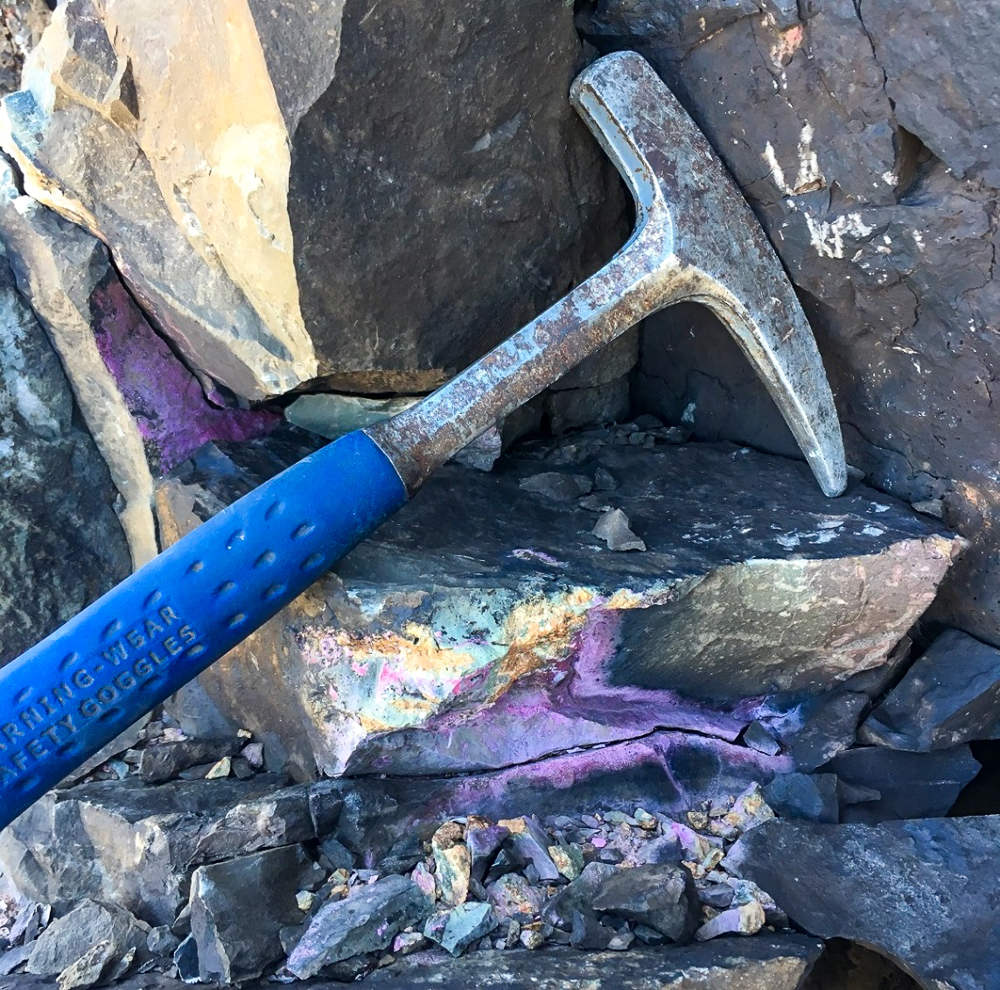
Mastering the Use of a Stonemason’s Hammer: Guide
A stonemason’s hammer, an indispensable tool in the world of stonework, holds a wealth of versatility and capabilities. With its distinct design and sturdy construction, this specialized hammer serves as the faithful companion of skilled artisans and enthusiasts alike. Let’s delve into the diverse applications of a stonemason’s hammer and discover the magic it brings to various fields and projects. We will also provide a step-by-step guide on how to use a stonemason’s hammer effectively and efficiently.
If you need help finding a stonemason’s hammer for any of the versatile applications listed below, check out our product review here.
Unveiling the Versatility: Exploring the Various Applications of a Stonemason’s Hammer
Shaping and Dressing Stones
The primary role of a stonemason’s hammer lies in shaping and dressing stones. With its flat face, masons can skillfully chip away unwanted material, revealing precise contours and smooth surfaces. Whether crafting decorative elements, architectural structures, or sculptures, the hammer’s precise strikes allow artisans to breathe life into raw stone, transforming it into exquisite works of art.
Splitting Stones with Precision
When large stones need to be divided into smaller pieces, the stonemason’s hammer steps up to the challenge. With strategic strikes along natural or marked fracture lines, the hammer effectively splits stones into manageable sections. This application proves indispensable in various construction and landscaping projects, where different stone sizes are required for optimal design and functionality.
Detail-Oriented Chiseling
Stonemason’s hammers with chipping ends are the artisans’ secret weapon for detail-oriented chiseling work. With the chipping end’s finesse, they can carve intricate designs, add textures, and chisel small edges or features with unparalleled accuracy. This precision work is crucial in creating captivating stone engravings, fine sculptures, and stunning architectural ornamentations.
Texturing for Aesthetic Appeal
In architectural and artistic applications, the stonemason’s hammer offers a unique ability to create diverse textures on stone surfaces. By employing various striking techniques, artisans can imbue stones with natural or deliberate textures, enhancing visual appeal and adding character to the final piece.
Restoring Historical Treasures
When it comes to restoring historical buildings or monuments, a stonemason’s hammer is an essential ally. Expertly wielding the hammer, artisans can meticulously repair damaged stones and replicate original craftsmanship, preserving the legacy of bygone eras for generations to come.
Breaking Rocks and Concrete
Beyond the realm of stonework, the stonemason’s hammer proves its worth in construction and demolition tasks. When breaking rocks, concrete, or other hard materials, the hammer’s powerful strikes facilitate efficient material removal, making it a valuable tool in construction sites and infrastructure projects.
Crafting Landscapes and Hardscapes
In landscaping, a stonemason’s hammer contributes to the creation of captivating hardscapes. Whether constructing stone pathways, garden walls, or outdoor features, the hammer allows artisans to manipulate stone elements to fit seamlessly into their designated spaces, bringing harmony to outdoor environments.
Artistic Expression and Sculpting
At the heart of many sculpting endeavors lies the stonemason’s hammer. Carving blocks of stone into breathtaking sculptures requires precision and a keen understanding of the medium. The hammer’s ability to shape and remove material accurately empowers sculptors to breathe life into their artistic visions.
In conclusion, a stonemason’s hammer stands as a true testament to the harmony between craftsmanship and artistry. From shaping stones and dressing surfaces to precision chiseling and sculpting, this versatile tool finds its place in a myriad of applications. Its skilled use by stonemasons, artists, and construction professionals alike showcases its adaptability and unwavering significance across diverse industries. As time continues to progress, the legacy of the stonemason’s hammer will endure, etched into the timeless craft of shaping the very stones that construct our world.
Step-By-Step Guide on How to Use a Stonemason’s’ Hammer Effectively and Efficiently
Using a stonemason’s hammer effectively and efficiently requires practice, precision, and understanding of the tool’s capabilities. Follow this step-by-step guide to make the most of your stonemason’s hammer and achieve excellent results in your stonework projects:
Step 1: Choose the Right Hammer Select a stonemason’s hammer that suits the task at hand. Consider factors such as head weight, handle length, and grip comfort to ensure the tool is well-suited to your project.
Step 2: Wear Safety Gear Before you begin, put on appropriate safety gear, including safety goggles or glasses, to protect your eyes from flying stone chips and debris.
Step 3: Position the Stone Place the stone securely on a stable surface, such as a workbench or sawhorse. Ensure it is firmly held in place, so it doesn’t move or wobble during the hammering process.
Step 4: Determine the Striking Surface Choose the appropriate striking surface based on the task. For general shaping and dressing, use the flat face of the hammer. For precision work or chiseling small edges, use the chipping end.
Step 5: Grip the Hammer Correctly Hold the hammer with a firm but comfortable grip. The handle should be held with one hand, while the other hand supports the striking hand for better control.
Step 6: Start Striking Position the hammer over the area of the stone you want to shape or strike. Make sure you have a clear and well-defined target area to hit.
Step 7: Execute Controlled Strikes Perform controlled strikes on the stone using the hammer. For general shaping, use moderate force and hit the stone repeatedly in the same spot or along the desired contour line. For heavier tasks like splitting stones, apply more force and target the marked fracture line.
Step 8: Adjust Angle and Force Depending on the effect you want to achieve, adjust the angle and force of your strikes. Experiment with different angles to create various textures or shapes on the stone surface.
Step 9: Utilize Chisels for Precision Work For intricate detail work, use the chipping end of the hammer in conjunction with chisels. Place the chisel on the stone’s surface, and with controlled strikes using the chipping end, shape the stone according to the chisel’s cutting edge.
Step 10: Check Progress Regularly inspect your work to ensure you are achieving the desired results. Make adjustments as necessary to achieve the intended shape and design.
Step 11: Maintain Even Pressure When working on larger stones, apply even pressure across the surface to prevent uneven shaping and chipping.
Step 12: Practice Patience and Technique Using a stonemason’s hammer effectively takes practice and patience. Take your time to develop your skills and refine your techniques.
Step 13: Prioritize Safety Always prioritize safety while using a stonemason’s hammer. Work in a well-ventilated area, wear appropriate safety gear, and be mindful of the hammer’s striking force.
By following these steps and practicing regularly, you can become proficient in using a stonemason’s hammer to shape and craft stones for various construction, artistic, and landscaping projects. The art of stonemasonry requires dedication and a deep understanding of the tools of the trade, and with time and experience, you will master the craft of shaping stones with finesse and skill.
Frequently Asked Questions
What are some additional tips for shaping stone with a stonemason’s hammer?
Shaping stone with a stonemason’s hammer requires a combination of skill, precision, and patience. Here are some additional tips to help you achieve better results and enhance your stone shaping abilities:
- Start with Softer Strikes: When beginning to shape the stone, start with lighter strikes to get a feel for how the stone responds to the hammer. This allows you to gain control and avoid over-removing material too quickly.
- Use a Rhythmic Motion: Develop a rhythmic striking motion to maintain a consistent and even surface while shaping. This helps create smooth and uniform results.
- Visualize the Desired Shape: Before striking the stone, visualize the shape you want to achieve. Having a clear mental image of the final form will guide your strikes and prevent excessive material removal.
- Work Gradually: Shape the stone gradually, removing small amounts of material with each strike. This approach allows for more control and minimizes the risk of making irreversible mistakes.
- Pay Attention to Grain and Texture: Take note of the stone’s grain and texture. Working with the natural flow of the stone’s structure can result in a more visually appealing and harmonious final product.
- Keep the Stone Wet: Wetting the stone with water can make it easier to shape and can also help reveal its true color and texture. Keep a spray bottle or water source nearby to dampen the stone as needed.
- Practice on Scrap Stone: If you are new to stonemasonry or experimenting with new techniques, practice on scrap stone first to gain confidence and hone your skills.
- Be Mindful of Angles: Pay attention to the angles at which you strike the stone. Different angles will create different textures and shapes, so experiment with various striking positions to achieve your desired effect.
- Use Chisels for Precision: For finer details and delicate shaping, use chisels in combination with the stonemason’s hammer. Chisels offer more control for intricate work.
- Work in Sections: Instead of trying to shape the entire stone at once, work in sections. Focus on one area at a time, ensuring each section is shaped to your liking before moving on to the next.
- Maintain the Hammer’s Edge: Keep the hammer’s striking face and chipping end in good condition. Regularly sharpen and maintain the hammer’s edges for cleaner and more effective strikes.
- Stay Patient and Persistent: Stone shaping is a skill that takes time to master. Be patient with yourself and continue practicing to improve your techniques and achieve better results.
Remember that stonemasonry is an art form, and there is no one-size-fits-all approach to shaping stone. Each stone has unique qualities, and every stonemason develops their own style and methods over time. Embrace the creative process, and let your passion for working with stone guide your journey to becoming a skilled stone shaper.
What should I never do with a stonemason’s hammer?
When using a stonemason’s hammer, there are certain actions you should avoid to ensure your safety, preserve the tool’s effectiveness, and maintain the integrity of your stonework. Here are some things you should never do with a stonemason’s hammer:
- Never Strike Metal with the Hammer: Stonemason’s hammers are designed for working with stone, not metal. Avoid using the hammer to strike metal surfaces, as this can damage the hammer’s head and handle, and potentially create dangerous metal shards.
- Never Use the Hammer as a Pry Bar: Using the stonemason’s hammer as a pry bar or lever is a misuse that can lead to tool damage or injury. The hammer’s head is not designed to withstand lateral forces, and excessive prying can cause it to break or chip.
- Never Overstrike or Use Excessive Force: While a stonemason’s hammer is sturdy, using excessive force or overstriking can lead to handle breakage or damage to the hammer’s head. Work with controlled and measured strikes to achieve your desired results.
- Never Strike with the Wrong End: Stonemason’s hammers have specific striking faces and chipping ends for different tasks. Avoid mistakenly striking with the wrong end, as this can result in unintended and undesirable outcomes.
- Never Strike the Hammer Against Another Hammer: Hammers are not designed to strike each other. Avoid hitting one stonemason’s hammer against another, as this can cause damage to both tools and potentially lead to chipping or splintering.
- Never Use a Damaged Hammer: Before use, inspect your stonemason’s hammer for any signs of damage, such as cracks, chips, or loose heads. Do not use a damaged hammer, as it can compromise your safety and the quality of your work.
- Never Use the Hammer Without Proper Eye Protection: Always wear safety goggles or safety glasses when using a stonemason’s hammer. Flying stone chips and debris can pose a significant risk to your eyes.
- Never Strike Stones Against Each Other: Avoid striking two stones together with the hammer, as this can cause stones to fracture unpredictably, leading to potential injuries or uneven breakage.
- Never Rush or Work Impatiently: Stonemasonry is a precise and artful craft that requires attention to detail and patience. Rushing or working hastily can result in mistakes and compromise the quality of your work.
- Never Use the Hammer for Non-Stonework Purposes: A stonemason’s hammer is designed for specific stonework tasks. Avoid using it for any other purposes, as this can cause damage to the tool and may lead to safety hazards.
By following these guidelines and treating your stonemason’s hammer with care and respect, you can ensure its longevity, maintain your safety, and achieve exceptional results in your stonework projects. Always remember that using any tool improperly can lead to accidents and damage, so exercise caution and adhere to proper techniques when working with your stonemason’s hammer.
Do I need to use a chisel with a stonemason’s hammer?
No, you do not necessarily need to use a chisel with a stonemason’s hammer. A stonemason’s hammer is a versatile tool on its own, capable of performing various tasks in stonemasonry work. It features both a flat striking face and a chipping end, which allows you to perform a wide range of shaping, dressing, and splitting tasks without the need for additional tools like chisels.
The flat face of the stonemason’s hammer is used for general shaping and dressing of stones. It can be used to remove unwanted material, create smooth surfaces, and shape stones according to the desired contours.
The chipping end of the stonemason’s hammer is suitable for more delicate tasks, such as chiseling small edges or features in the stone. It allows for greater precision in shaping and adding finer details to your stonework.
Whether or not you use a chisel alongside the stonemason’s hammer depends on the complexity of your stonemasonry projects and your personal preferences as a craftsman. Some stonemasons choose to work exclusively with the stonemason’s hammer, relying on its versatility to accomplish their tasks. Others may find that using chisels alongside the hammer enhances their ability to create intricate designs and fine details.
If you are new to stonemasonry or are working on relatively simple projects, you can start with just a stonemason’s hammer and gradually explore the use of chisels as you gain more experience and confidence in your skills. On the other hand, if you are working on complex sculpting or decorative stonework, incorporating chisels into your toolkit can offer greater precision and artistic control.
In summary, while a chisel can be a valuable companion to a stonemason’s hammer, it is not an absolute requirement. The stonemason’s hammer alone can perform a wide range of tasks effectively, and the decision to use a chisel will depend on the specific requirements and artistic vision of each stonemasonry project.
editor's pick

news via inbox
Stay one step ahead with exclusive tips, guides, and offers delivered directly to your inbox.
Sign up for our newsletter and elevate your home improvement game today!