
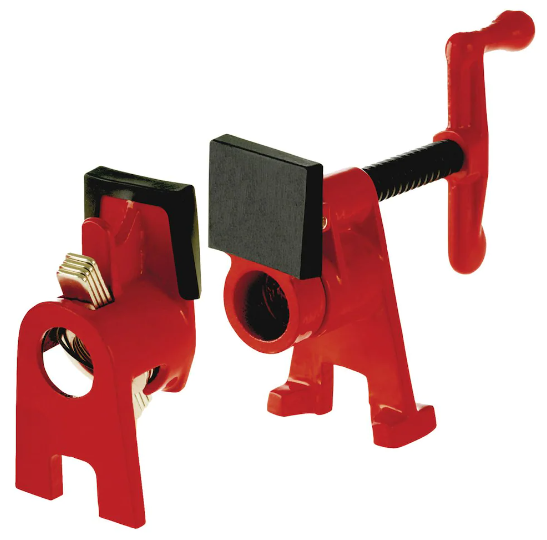
Finding the Best Pipe Clamp: A Comprehensive Review and Guide
When it comes to woodworking, having the right tools is essential for achieving accurate and professional results. Among the must-have tools for any woodworker are pipe clamps, versatile devices that provide stability, strength, and flexibility during various woodworking tasks. In this article, we’ll explore the five best pipe clamps available on Amazon, highlighting their features, applications, and the pros and cons of each.
Our Top Picks for Best Pipe Clamp
Bessey BPC-H34 H-Style Pipe Clamps


The Bessey BPC-H34 H-Style Pipe Clamps are highly regarded for their durability and reliability. These clamps feature a strong H-style design with a high-quality cast iron jaw that ensures maximum stability and an even distribution of pressure. They are suitable for a wide range of woodworking applications, including gluing, assembly, and edge joining. The clamps have a large clamping capacity and can accommodate various pipe lengths. However, their heavy weight may be a drawback for some users.
Pros:
- Durable and reliable construction.
- H-style design provides excellent stability.
- Even pressure distribution for precise clamping.
- Large clamping capacity for versatility.
Cons:
- Relatively heavy, which may be less convenient for some users.
Pony 50 Pipe Clamp Fixture


The Pony 50 Pipe Clamp Fixture is a time-tested classic that remains popular among woodworkers. It features a simple design with a cast iron head and tail that securely grip the pipe. This clamp is excellent for gluing and assembly tasks, providing a reliable hold and even pressure distribution. One of the key advantages of the Pony 50 is its affordability, making it an excellent choice for beginners or those on a budget. However, the clamp’s narrow jaw width might limit its versatility in certain applications.
Pros:
- Affordable option for budget-conscious woodworkers.
- Simple design with cast iron head and tail for secure grip.
- Reliable hold and even pressure distribution.
- Suitable for gluing and assembly tasks.
Cons:
- Narrow jaw width limits versatility in certain applications.
The FLK Tech 4 Pack 3/4″ Wood Gluing Pipe Clamp Set


The FLK Tech 4 Pack 3/4″ Wood Gluing Pipe Clamp Set is a highly regarded product designed specifically for woodworking applications. This set includes four pipe clamps made from durable materials, ensuring long-lasting performance. This pipe clamp securely holds wooden workpieces together during gluing and clamping operations. The clamps are easy to use and provide a strong grip, minimizing the risk of slippage. While there are some size limitations and potential for marring, this clamp set offers excellent value for money and is a reliable option for woodworking enthusiasts.
Pros:
- The clamps provide a strong and secure grip, minimizing the chances of slippage or movement during gluing.
- The clamp set is user-friendly, featuring an easy-to-operate design that simplifies the gluing and clamping process.
- The pack includes four clamps, offering good value for money compared to purchasing individual clamps separately.
Cons:
- Not suitable for non-wood materials.
- The clamps’ metal parts might leave slight marks on the wood surfaces if not adequately protected.
Yost Tools YPCY34 Pipe Clamp


The Yost Tools YPCY34 Pipe Clamp is an excellent choice for heavy-duty woodworking projects. This clamp features a solid cast iron body with a threaded spindle for quick adjustments and precise pressure control. The large clamping capacity and long reach make it suitable for a wide variety of applications, including panel gluing and securing workpieces to a benchtop. However, its weight and size may be less convenient for smaller woodworking projects.
Pros:
- Heavy-duty construction for demanding woodworking projects.
- Solid cast iron body and threaded spindle for quick adjustments.
- Suitable for panel gluing and securing workpieces to a benchtop.
Cons:
- Weight and size may be less convenient for smaller woodworking projects.
IRWIN Tools 224134 3/4-inch Pipe Clamp


The IRWIN Tools 224134 3/4-inch Pipe Clamp is a compact and affordable option, ideal for light to medium-duty woodworking tasks. It features a sturdy cast iron construction. The clamp’s clutch system allows for quick and easy adjustments. The IRWIN clamp is particularly useful for smaller projects, such as box assembly and furniture repair. However, its limited clamping capacity and smaller size may not be suitable for larger-scale woodworking projects.
Pros:
- Compact and affordable option.
- Sturdy cast iron construction.
- Clutch system allows for quick and easy adjustments.
- Suitable for smaller projects like box assembly and furniture repair.
Cons:
- Limited clamping capacity and smaller size may not be suitable for larger-scale projects.
Conclusion
Pipe clamps are indispensable tools for woodworking, providing stability and strength during various woodworking tasks. Consider your specific woodworking needs and project requirements to choose the pipe clamps that best suit your needs. All of the listed products above have their own strengths and weaknesses so there’s bound to be an option that works best for you. Good luck!
How Do You Choose the Right Pipe Clamp?
Choosing the right pipe clamp for your woodworking needs is essential to ensure efficient and precise work. Here are some factors to consider when selecting a pipe clamp:
- Clamp Type: Pipe clamps come in various types, including H-style, bar clamps, and F-clamps. Each type has its advantages and applications. Consider the specific woodworking tasks you frequently undertake and choose a clamp type that best suits those needs.
- Clamping Capacity: Determine the maximum clamping capacity required for your projects. Consider the size and thickness of the workpieces you typically work with. Ensure that the clamp you choose can accommodate the dimensions of your workpieces comfortably.
- Durability and Construction: Look for pipe clamps made from sturdy and durable materials such as cast iron or steel. Ensure that the construction is robust and can withstand the pressure exerted during clamping.
- Jaw Design: Consider the design of the clamp jaws. Look for jaws that provide a secure and even grip on the workpiece to prevent slippage or damage. Some clamps have adjustable or swiveling jaw pads that offer added versatility and protection for delicate surfaces.
- Ease of Use: Check for features that enhance usability, such as quick-release mechanisms, smooth adjustment systems, and ergonomic handles. These features can make clamping and releasing easier and more efficient.
- Versatility: Assess the versatility of the clamp. Some clamps are designed for specific tasks, while others are more versatile and can handle a wide range of woodworking applications. Consider whether you need a clamp for specific purposes or if you require a more flexible tool.
- Budget: Set a budget for your pipe clamp purchase. While quality is important, it’s essential to find a balance between cost and functionality. Consider the value offered by each clamp option within your budget range.
- Reviews and Recommendations: Read customer reviews and seek recommendations from experienced woodworkers. Learning from others’ experiences can provide valuable insights into the performance and reliability of different pipe clamp models.
By considering these factors, you can choose a pipe clamp that suits your woodworking projects and provides the necessary stability, strength, and ease of use required for precise and efficient work.
Exploring the Versatile Applications of Pipe Clamps in Woodworking
- Gluing and Clamping: One of the primary applications of pipe clamps is in gluing and clamping operations. Whether you’re joining boards to create panels or gluing intricate pieces together, pipe clamps provide the necessary pressure and stability to ensure a strong bond. They distribute pressure evenly across the workpiece, minimizing gaps and enhancing the quality of glued joints. Pipe clamps excel in edge gluing, ensuring that the edges align perfectly while the glue dries.
- Assembly and Joinery: Pipe clamps are invaluable during assembly and joinery tasks. They help secure workpieces together, providing stability and alignment. When constructing cabinets, bookshelves, or other furniture, pipe clamps enable precise positioning and hold components in place until the joinery is complete. Whether it’s securing legs to a tabletop or joining rails and stiles, pipe clamps ensure accurate and sturdy connections.
- Bent Lamination: Pipe clamps are instrumental in bent lamination projects, where thin strips of wood are glued together and bent into curved forms. By applying pressure along the length of the laminated piece, pipe clamps help maintain the desired shape until the glue sets. This technique is commonly used in the creation of furniture components, musical instruments, and decorative accents.
- Panel Gluing: When working on large panels, such as tabletops or cabinet doors, pipe clamps offer exceptional support. By evenly distributing pressure, they prevent warping or bowing during glue-ups. Multiple pipe clamps can be used in tandem to secure panels tightly and maintain a flat surface. This application is essential for achieving high-quality, seamless panels with consistent thickness and stability.
- Holding Workpieces: Pipe clamps can serve as versatile work-holding devices. They can be attached to workbenches or temporary work surfaces, enabling secure clamping of workpieces at various angles. This feature is particularly useful when performing tasks such as sanding, routing, or carving, providing a stable platform for precision work.
- Pressing and Veneering: Pipe clamps are effective tools for pressing veneer or laminates onto substrates. They ensure even pressure distribution, allowing the adhesive to bond the veneer smoothly and eliminate air bubbles or gaps. By applying consistent pressure, pipe clamps help achieve seamless veneer surfaces and ensure long-lasting adhesion.
- Repair and Restoration: In woodworking repairs and restoration projects, pipe clamps play a vital role. They can be used to hold cracked or split pieces together while adhesive or reinforcements are applied. Pipe clamps help bring damaged components back into alignment, facilitating the repair process and ensuring a strong bond.
A Step-By-Step Guide On How to Use a Pipe Clamp
Step 1: Gather Your Materials
- Pipe clamp: Ensure you have a pipe clamp suitable for your project, including the appropriate length and clamping capacity.
- Pipe: Select a pipe that matches the clamp’s specifications. It should be long enough to accommodate the width of your workpiece.
Step 2: Prepare Your Workpiece
- Ensure your workpiece is clean, dry, and properly prepared for the specific woodworking task you are undertaking, such as gluing, assembly, or edge joining.
Step 3: Position the Pipe Clamp
- Place the pipe clamp over your workpiece, aligning it with the area you intend to clamp. Ensure the clamp heads are facing downward, ready to grip the workpiece.
Step 4: Insert the Pipe
- Insert the pipe into the clamp heads, ensuring it is centered and securely held. The pipe should extend beyond the clamp heads on both sides, providing enough space for adjustment.
Step 5: Position the Workpiece
- Position your workpiece between the clamp jaws, aligning it according to your project’s requirements. Make sure the workpiece is snugly held and properly aligned for the desired outcome.
Step 6: Adjust the Clamp
- Rotate the handle or spindle clockwise to tighten the clamp and apply pressure to the workpiece. Start with a moderate amount of pressure and make adjustments as needed.
Step 7: Apply Even Pressure
- While tightening the clamp, pay attention to apply even pressure across the workpiece. This ensures that the clamping force is distributed uniformly, minimizing any gaps or unevenness.
Step 8: Check Alignment
- Periodically check the alignment of your workpiece throughout the clamping process. Adjust the position or pressure as required to maintain proper alignment and prevent any slippage.
Step 9: Allow for Drying or Assembly
- If you are using the pipe clamp for gluing, follow the adhesive manufacturer’s instructions for drying time. Allow sufficient time for the glue to set and create a strong bond. For assembly projects, keep the clamp in place until the joinery is complete.
Step 10: Release the Clamp
- Once the adhesive has fully dried or the joinery is complete, release the clamp by rotating the handle counterclockwise. Loosen the clamp gradually, ensuring a controlled release of pressure.
Step 11: Remove the Pipe
- Remove the pipe from the clamp heads by sliding it out carefully. Keep in mind that the pipe may be hot if you were using glue that requires heat for activation.
Step 12: Finishing Touches
- Proceed with any necessary finishing touches, such as sanding, trimming, or applying protective coatings, depending on your specific project requirements.
Remember to always follow safety precautions and manufacturer guidelines when using a pipe clamp or any other woodworking tools. With proper usage and attention to detail, pipe clamps can be reliable and effective tools for achieving precise and professional woodworking results.
Frequently Asked Questions
Are pipe clamps worth it?
Yes, pipe clamps are definitely worth it for woodworkers and have numerous benefits that make them an essential tool in any workshop. Here are some reasons why pipe clamps are worth investing in:
- Versatility: Pipe clamps are highly versatile and can be used in a wide range of woodworking applications. From gluing and clamping panels to assembling furniture and holding workpieces for various tasks, pipe clamps offer flexibility and adaptability.
- Pressure Distribution: Pipe clamps provide even pressure distribution along the length of the workpiece. This ensures a strong and consistent bond during gluing operations, resulting in high-quality and durable joints. The ability to distribute pressure evenly is crucial for achieving precise and professional results.
- Stability and Alignment: Pipe clamps offer excellent stability and help maintain proper alignment of workpieces. This is crucial when joining boards or assembling components to ensure accurate and seamless connections. The secure grip provided by pipe clamps prevents slippage and ensures that the workpiece remains in the desired position throughout the project.
- Cost-Effective: Pipe clamps are relatively affordable compared to other clamping options available in the market. They provide excellent value for the investment, especially considering their versatility and effectiveness in a wide range of woodworking tasks.
- Durability: Pipe clamps are typically made from robust materials such as cast iron or steel, ensuring durability and longevity. With proper care, pipe clamps can last for many years, making them a reliable tool in your woodworking arsenal.
- Ease of Use: Pipe clamps are user-friendly and straightforward to operate. They often feature quick-release mechanisms, adjustable handles, and easy-to-use tightening mechanisms, making the clamping process more efficient and convenient.
- Expandability: Pipe clamps can be easily expanded by adding longer pipes or additional clamp heads, allowing you to adapt them to accommodate larger workpieces or different project requirements. This expandability adds to their versatility and makes them a practical choice for woodworking projects of various sizes.
Overall, the benefits of pipe clamps, including their versatility, pressure distribution, stability, and affordability, make them a valuable tool for woodworkers. They contribute to achieving precise and professional results in a wide range of woodworking applications. Investing in high-quality pipe clamps is an excellent choice for any woodworker looking to enhance the quality and efficiency of their projects.
What is the best length for a pipe clamp?
The best length for a pipe clamp depends on the specific woodworking projects you undertake. The ideal length will vary based on the size and dimensions of the workpieces you typically work with. Here are some factors to consider when determining the best length for a pipe clamp:
- Workpiece Size: The length of the pipe clamp should be sufficient to accommodate the width or length of your workpiece. It should provide enough coverage to apply even pressure across the entire surface area you intend to clamp. Consider the maximum size of the workpieces you typically work with and choose a pipe clamp length that can comfortably handle those dimensions.
- Clamping Capacity: Check the clamping capacity of the pipe clamp, which indicates the maximum opening size it can accommodate. Ensure that the length of the pipe aligns with the clamping capacity of the clamp heads. This ensures that the pipe will fit securely within the clamp heads and provide sufficient clamping force.
- Project Scale: Consider the scale of your woodworking projects. For larger-scale projects, such as assembling furniture or gluing large panels, longer pipe clamps may be more suitable. They provide greater reach and can handle larger workpieces. Smaller projects, like joinery or box assembly, may require shorter pipe clamps for more precise control and maneuverability.
- Flexibility: Evaluate the flexibility you require in terms of adjustability and versatility. Longer pipe clamps allow for more flexibility in terms of adjusting the position of the clamp heads along the pipe. This can be advantageous when clamping irregularly shaped workpieces or when you need to apply pressure at specific points along the workpiece.
- Workshop Space: Consider the space available in your workshop. Longer pipe clamps may require more space to operate, especially if you need to maneuver them around your workbench or other tools. Ensure that the length of the pipe clamp allows for comfortable and efficient use within your workspace.
In general, it is beneficial to have a range of pipe clamp lengths available in your workshop to accommodate different project sizes. Common pipe clamp lengths range from 24 inches to 60 inches or even longer. Having a few different lengths on hand will ensure that you can effectively clamp various workpieces and adapt to the specific requirements of each project.
What are the disadvantages of pipe clamps?
While pipe clamps are highly versatile and useful tools for woodworking, they do have a few potential disadvantages to consider:
- Limited Jaw Opening: Pipe clamps typically have a fixed jaw opening size determined by the design of the clamp heads. This means they may not accommodate extremely thick or wide workpieces. If you frequently work with oversized materials, you may need to consider alternative clamping methods or invest in larger, more specialized clamps.
- Limited Throat Depth: The throat depth of a pipe clamp refers to the distance from the screw to the clamp’s jaws. Pipe clamps usually have a moderate throat depth, which may restrict their use when clamping deep or recessed areas of a workpiece. In such cases, a deeper-throated clamp or a different clamping mechanism may be more suitable.
- Need for Additional Components: Pipe clamps require a separate pipe or bar to function. While this adds to their versatility and adaptability, it also means that you need to have suitable pipes or bars of the appropriate length and strength on hand. This can increase the initial investment and require additional storage space in your workshop.
- Size and Weight: Pipe clamps can be relatively large and heavy compared to other types of clamps. This may make them more cumbersome to handle and maneuver, especially for intricate or delicate woodworking tasks that require more precise control. It is important to consider the size and weight of the clamp in relation to the project and workspace.
- Potential for Marking or Damage: If not used with care, pipe clamps have the potential to leave marks or indentations on the workpiece. This can occur if excessive pressure is applied or if the clamp heads are not properly padded or protected. Using protective pads or blocks between the clamp jaws and the workpiece can help mitigate this issue.
Despite these potential drawbacks, pipe clamps remain a popular choice among woodworkers due to their affordability, versatility, and ability to provide even pressure distribution. By being aware of these disadvantages and taking appropriate precautions, you can maximize the benefits of pipe clamps while minimizing any potential limitations.
Do pipe clamps need threads at both ends?
Pipe clamps do not necessarily need threads at both ends. The design of a pipe clamp typically features a threaded spindle at one end and a fixed head or sliding head at the other end. The fixed head provides a stable point of attachment, while the threaded spindle allows for tightening and loosening of the clamp.
The threaded end of the pipe clamp is used to secure the clamp to the pipe. It allows you to rotate the spindle, which in turn moves the clamp head closer or farther away from the fixed head, thus adjusting the clamping pressure. The presence of threads on the spindle is essential for the functionality of the clamp.
The opposite end of the pipe clamp, where the fixed head is located, does not typically have threads. Instead, it has a mechanism to hold the pipe securely in place, such as a channel or a set of jaws. This end of the clamp is designed to provide stability and prevent the pipe from rotating or moving during clamping.
It’s worth noting that some pipe clamps may have threads on both ends for added flexibility and convenience. This allows you to attach the clamp to either end of the pipe, depending on your specific needs and the configuration of your project.
In summary, while pipe clamps require threads at one end (the spindle) to tighten and loosen the clamp, the other end (the fixed head) does not typically have threads but provides a secure point of attachment for the pipe.
editor's pick

news via inbox
Stay one step ahead with exclusive tips, guides, and offers delivered directly to your inbox.
Sign up for our newsletter and elevate your home improvement game today!